Mountains, plains and live volcanoes
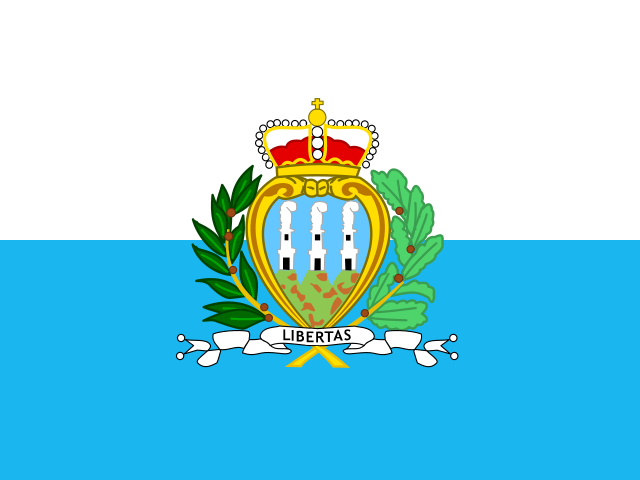
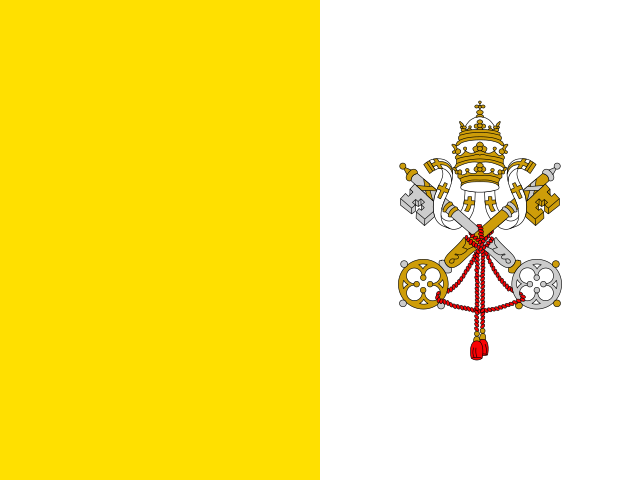
Flat land is scarce in Italy. Hills cover 41.6 percent of the country and mountains another 35.2 percent, leaving 23.2 percent as plain. The Alps follow the northern border for about 1,000 kilometres, and the Apennines run 1,350 kilometres down the peninsula. Most of the level ground lies in the Po Valley, which spans 46,000 square kilometres along the 652-kilometre Po, Italy's longest river. Two independent states, San Marino and Vatican City, sit entirely inside its borders.
The ground here is restless. Etna, in Sicily, stood at 3,329 metres when it became a World Heritage Site in 2013, and its activity has been recorded for at least 2,700 years. Vesuvius destroyed Pompeii, Herculaneum and Stabia in AD 79 and last erupted in March 1944, yet about 700,000 people live on its slopes. At nearby Campi Flegrei, the national emergency plan counts about 500,000 people who would have to leave.
A young state with an old past
Rome's republic unified the peninsula, and its empire reached its greatest extent under Trajan in AD 117. After the last western emperor was deposed in 476, Italy broke into city-states and regional powers, and it stayed divided until the nineteenth century. Venice and Genoa grew rich on trade with the East, the Papal States held much of the centre, and foreign dynasties ruled the south. The Renaissance began in Tuscany. Venice kept its republic until the Treaty of Campo Formio in 1797 ended it and passed its lands to Austria.
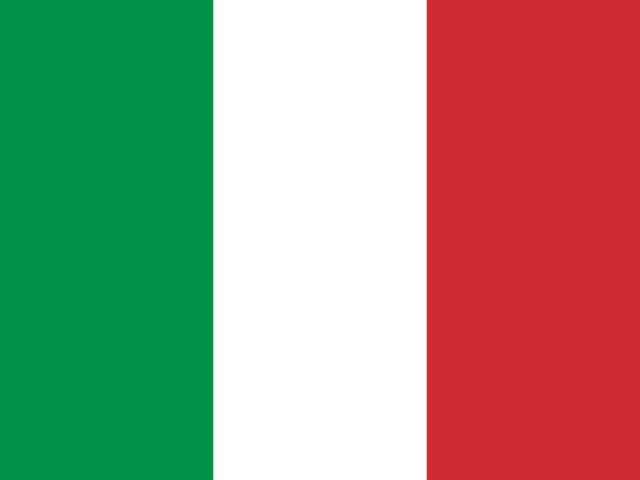
The Kingdom of Italy dates only from 17 March 1861. Venetia joined in 1866, and troops broke through Rome's walls on 20 September 1870, with the capital moving there from Florence in July 1871. The first decade brought violent revolts in Sicily and around Naples, and the new state answered them largely with force. The popes, stripped of their territory, called themselves prisoners in the Vatican until the Lateran Treaty of 11 February 1929 recognised Vatican City as an independent state.
The new country barely shared a language. Florentine had long been the literary model, the basis of the Accademia della Crusca's dictionary of 1612, but people spoke their local dialects. The linguist Tullio De Mauro calculated that only 2.5 percent of the population, some 630,000 of 25 million, could speak and write Italian at unification, and later debate raised that to around 5 percent. By 2024, 53.6 percent spoke mainly Italian at home, and those who mainly spoke dialect there had fallen from 32 percent in 1988 to 9.6 percent.
More than 14 million departures were recorded between 1876 and the First World War. From 1876 to 1915, 7.6 million went to the Americas and over 6.1 million to other parts of Europe, and many left and returned more than once.
Empire, dictatorship and a republic
The king appointed Benito Mussolini prime minister in October 1922. Italian rule in Libya, which ran from 1911 to 1943, faced armed resistance centred on the east, and tens of thousands of people from Cyrenaica died in camps in the Sirte desert. Estimates of the Libyans killed in the counterinsurgency range from 50,000 to more than 100,000. Italian forces invaded Ethiopia on 3 October 1935 and dropped sulphur mustard from the air, although both countries were party to the 1925 Geneva Protocol. In 2008 Italy formally apologised to Libya and agreed to pay $5 billion, much of it through infrastructure projects.
Antisemitic laws followed in 1938, and Italy entered the Second World War in June 1940. The Fascist Grand Council turned on Mussolini on 25 July 1943, the surrender was announced on 8 September, and Germany occupied the centre and north. It deported 8,564 Jews from Italy, Italian-occupied France and the islands of Rhodes and Kos, and 1,009 returned. More than 40,000 Jews survived in Italy.
On 2 June 1946 women voted in a national ballot for the first time, and the country chose a republic by about 54 percent to 46. The north backed it with about 66 percent, while the south gave the monarchy about 64 percent. A new constitution took effect on 1 January 1948, and in 1957 Italy hosted the signing of the Treaties of Rome as one of six founding countries of what became the European Union.
An ageing country, divided by income
Italy has a provisional 58.9 million residents, and in 2025 it recorded 355,000 births against 652,000 deaths. Women average 1.14 children, and only 0.85 in Sardinia. Immigration now holds the total steady: 440,000 people arrived in 2025 and 144,000 left, and foreign nationals make up 9.4 percent of residents. At the start of 2025, Italy had the EU's lowest share of under-15s and its highest share of over-65s.
The old divide between north and south persists. GDP per person in the Centre-North was 1.75 times that of the south in 2024, with €46,100 in the northwest against €24,800 in the Mezzogiorno. The country sold €50.7 billion more goods abroad than it bought in 2025.
Italy has 62 World Heritage Sites. In December 2025 UNESCO also added Italian cuisine to its cultural heritage list, honouring everyday rituals such as Sunday lunch rather than any particular dish.